How to become a session stylist in the UK
A session stylist does hair for photoshoots, film, television, advertising campaigns and runway shows, rather than for paying salon clients. In the UK the route in is almost always the same: build a portfolio, assist an established session stylist, get known to the agencies and creative teams who assemble crews, then take your own bookings. There is no qualification and no application form.
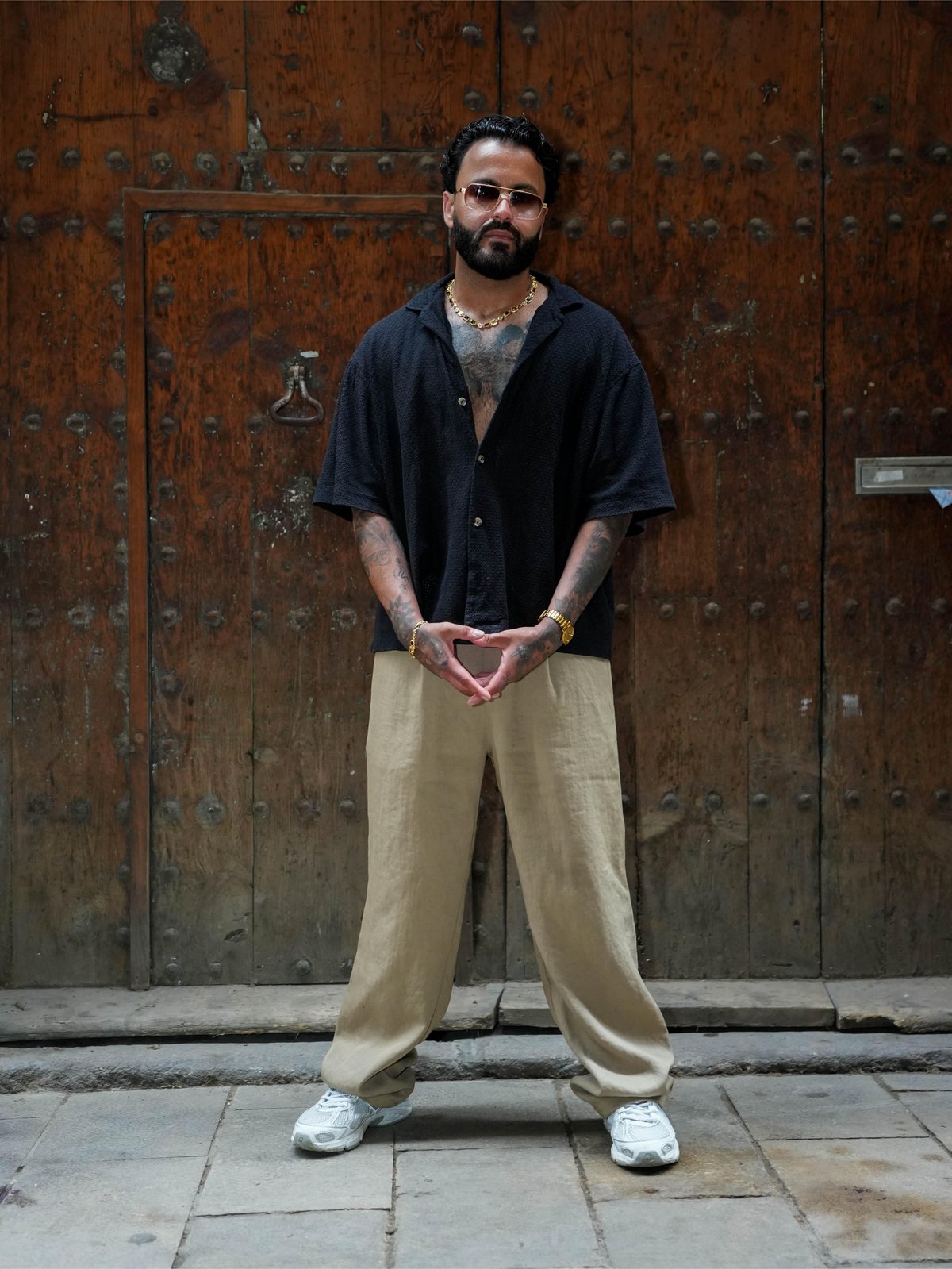
What a session stylist actually does
The word "session" comes from the shoot itself — the session. You are booked for a day, or part of one, to deliver hair for a specific piece of work: an editorial, a campaign, a lookbook, a music video, a show.
The differences from salon work matter more than people expect. You are not serving the person in the chair; you are serving the image. The client is a photographer, a creative director, a brand or a stylist, and the model's opinion of the finished look is largely irrelevant. Work is project-based and irregular. You carry your own kit, often into a location with no mirror, no basin and no time.
The route in, in order
1. Get your technical work to a professional standard first
Nobody will teach you to cut on a shoot. Session work assumes competence and tests something else entirely: speed, adaptability, and whether you can hold a look together under lights for eight hours. If your craft is not already solid, everything below is premature.
2. Build a portfolio through test shoots
A test shoot is unpaid work made collaboratively — photographer, model, stylist, hair, make-up — purely to generate images everyone can use. This is how essentially every session book in the country starts.
What matters is not volume. Ten images with a coherent point of view beat forty that show you can do everything. A book that says "I can do anything" reads as "I have decided nothing."
3. Assist. This is the part people try to skip.
Assisting is the actual apprenticeship of the industry. You carry kit, prep, do the parts nobody photographs, and watch how a senior stylist runs a room. You are paid modestly or sometimes not at all, and you learn things that are genuinely not available any other way — how a backstage crew is structured, how a creative director communicates, how a look is built to survive a runway rather than a mirror.
It is also how you become known. Session work is a small industry that hires from within. The people who book crews book people they have already seen work.
4. Get to know the agencies
Most established UK session stylists are represented by an agency — Carol Hayes Management, MMG Artists and Sandra Reynolds are among the ones that handle hair and make-up artists. Agencies negotiate rates, chase invoices and put you in front of clients you could not reach alone.
They also take a percentage, and they will not sign you until you have a book and a track record. Approaching too early costs you the relationship — they remember. Build first.
5. Take your own bookings, then raise your rate
Early paid work tends to arrive through people you have already assisted, or photographers you tested with who are now getting commissioned. That is not a coincidence. It is the return on step three.
How long does it take?
Realistically, two to five years from a standing start to regular paid session work, depending on how much you assist and how deliberately you build. People who treat it as a side project take longer. People who treat assisting as beneath them frequently never get there at all.
What does it pay?
UK session rates vary enormously by client and usage. Editorial for a magazine often pays little or nothing directly — it is traded for the images and the credit. Advertising and commercial campaigns pay properly, and can be several times an editorial day. Assisting sits at the bottom, and is best understood as paid education rather than income.
The mistake stylists make is comparing a session day rate to a salon day and concluding it is not worth it. The session day is not the product. The credit, the images and the relationships are the product; they compound, and a salon day does not.
What actually stops most people
Not talent. In twenty years I have met very few stylists whose hands were the limiting factor.
What stops people is that they stay positioned as a local service provider while trying to be booked as an international artist. Those are two different businesses, and the second one does not hire from the first.
The portfolio says salon. The Instagram says salon. The way they talk about their work says salon. Then they wonder why the editorial world does not answer. It is not gatekeeping. It is that nothing about how they present themselves tells that world they belong in it.
The short version
- No qualification exists. Nobody will certify you.
- Portfolio first, built through test shoots with a clear point of view.
- Assist. It is the apprenticeship, and there is no substitute.
- Agencies come after the book and the track record, not before.
- Two to five years is normal. Treat that as the price, not the obstacle.
- Reposition how you present yourself, or the work will not find you regardless of your hands.
Find out which stage is holding you back
The Global Stylist Scorecard scores you across the eight stages of the GSB Ascension Method and names the one costing you bookings. Twelve minutes. No call, nothing to buy.
Take the Scorecard